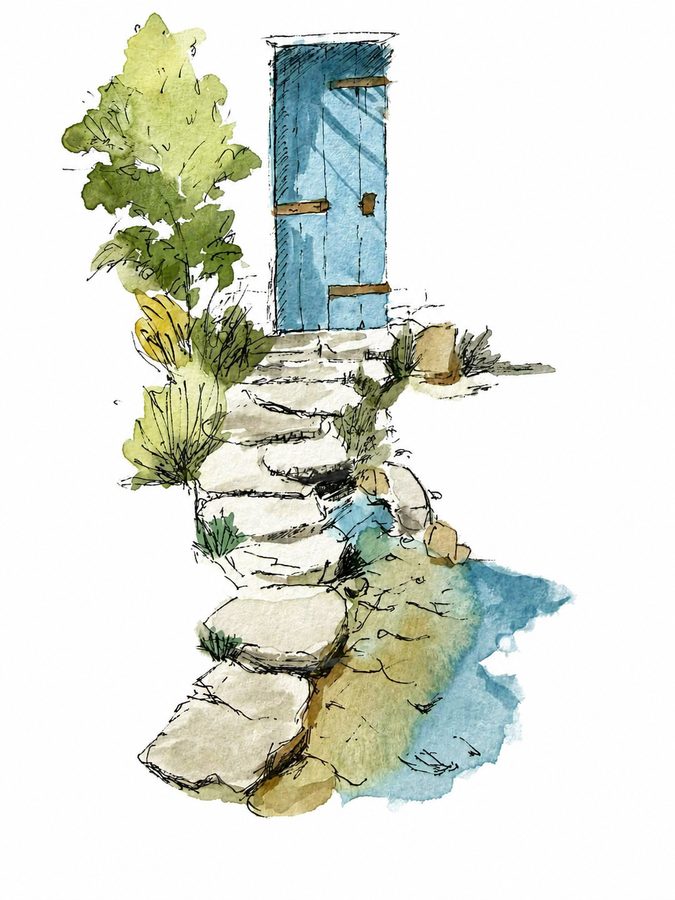
Appendix
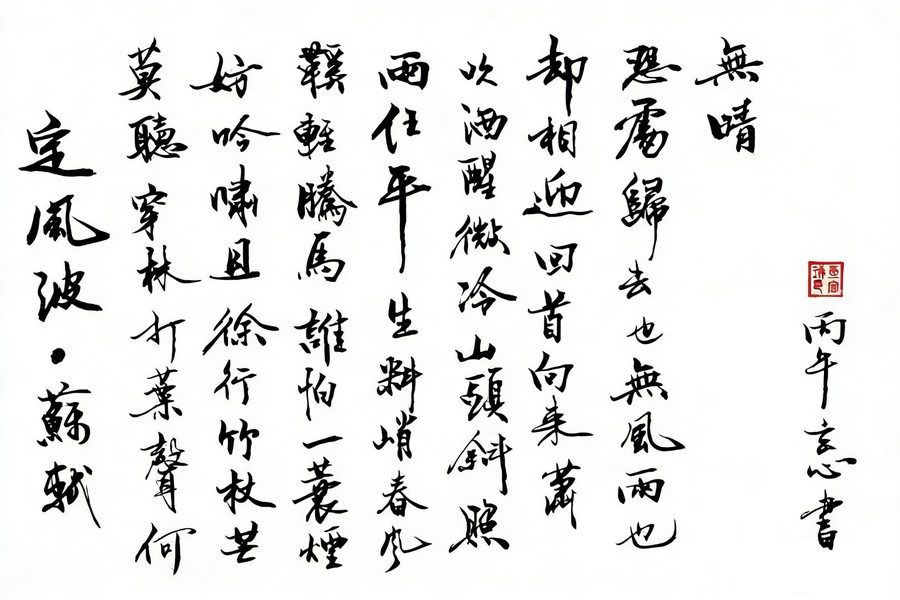
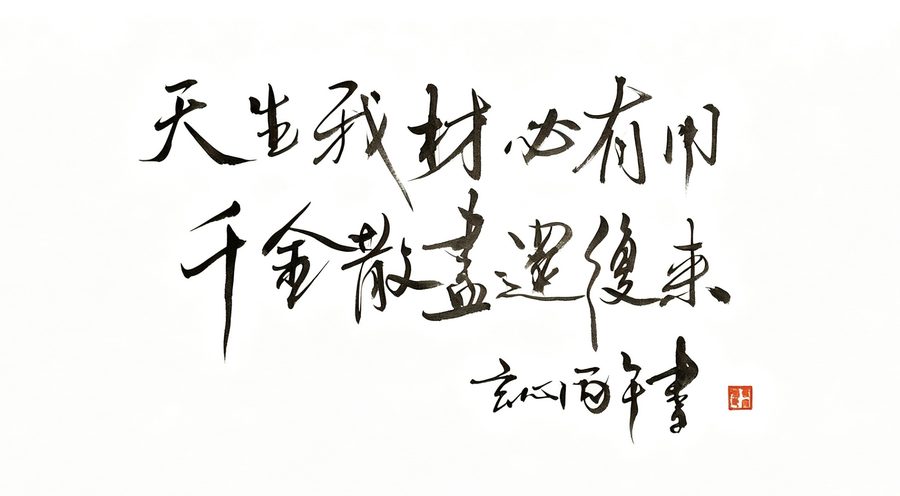
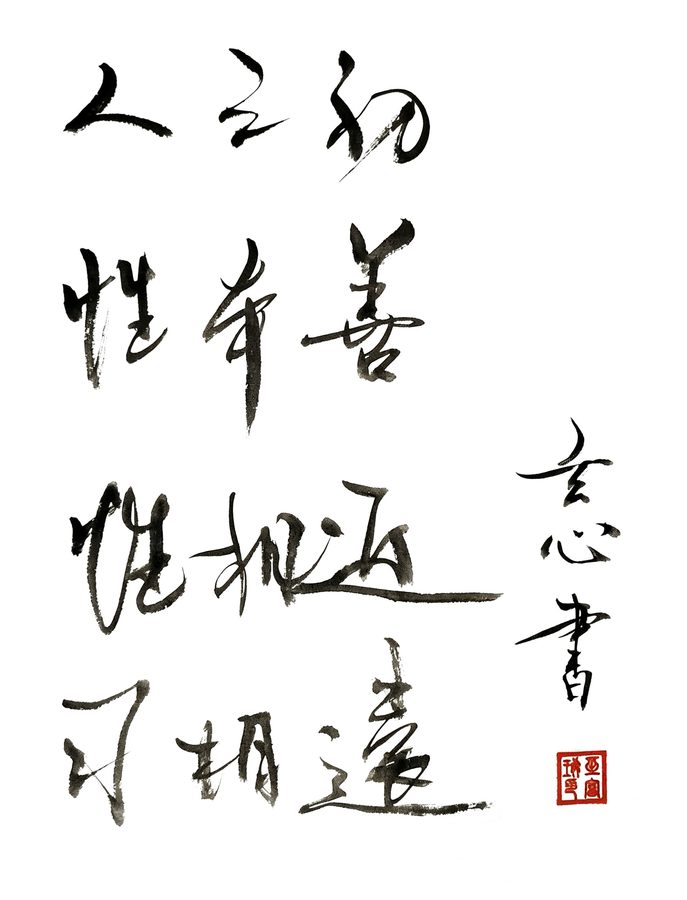
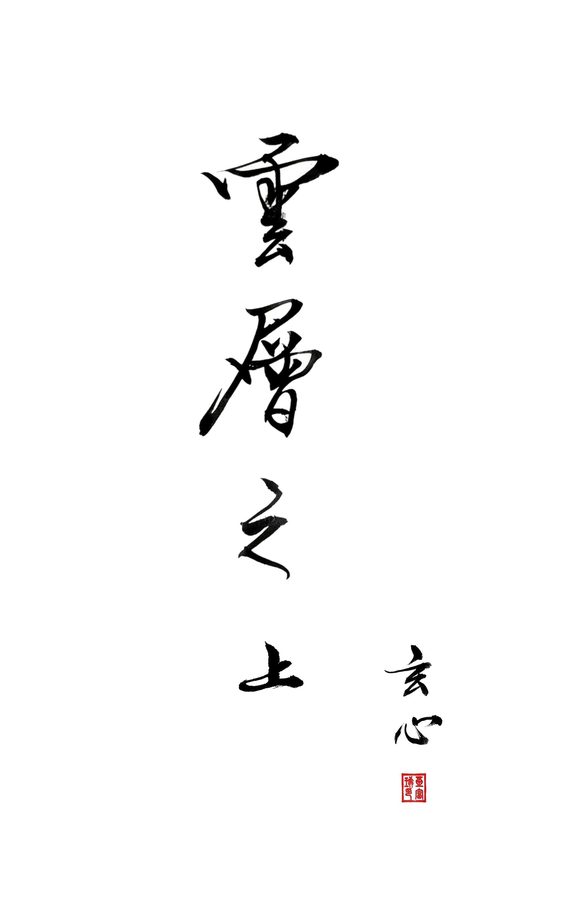
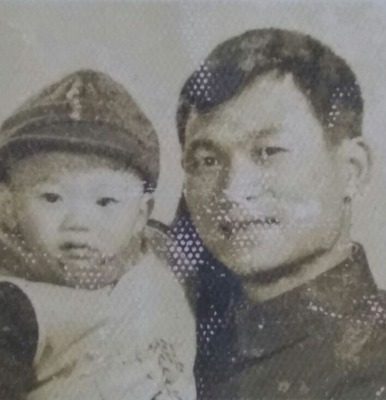
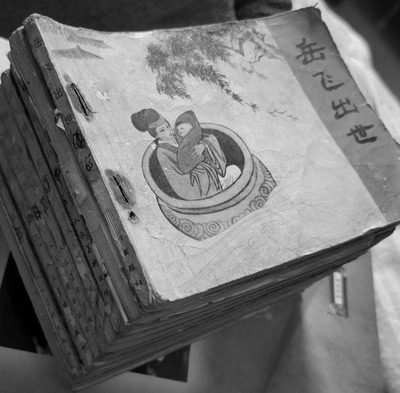
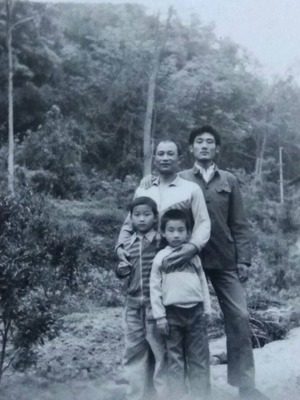
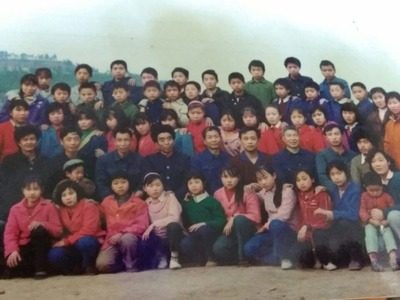
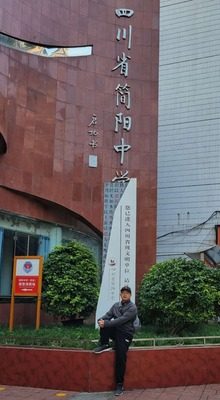
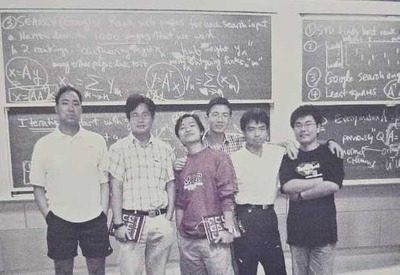
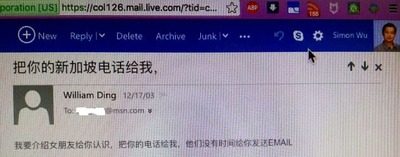
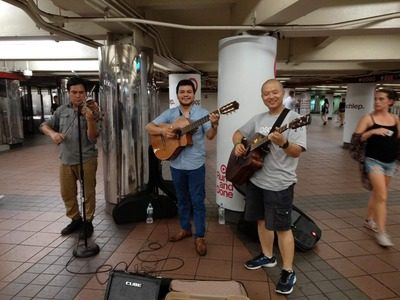
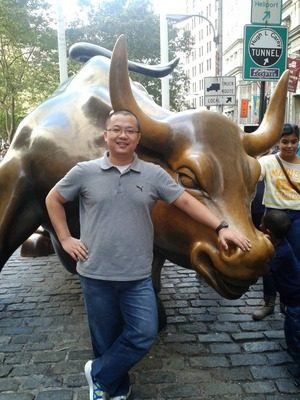

(Chengdu is the song by Zhao Lei—a widely known Mandarin folk-pop ballad—not the city of Chengdu, Sichuan.)
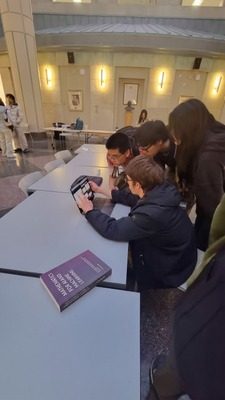
For more photos, visit this book's companion site: https://clouds.wu-99.com
Afterword—Three Thousand Years Later

In this book
there are people already famous—
or whom the world came to know later.
Some
for whom fame is still to come.
But this book
is not about who they became,
or who they would become.
Some things happened before the world saw them.
And some—
after they had broken through the clouds—
still met me in the mud.
Some taught in front of the blackboard.
Some wrote code in the office.
Some sang on stage.
Some were building something that had only just begun.
The roles were different.
The times were different.
But each encounter was real.
What made it onto the page is only part of the story.
Many people,
many things,
never got written in.
Some I couldn't bring myself to set down.
Some weren't mine to say too much about.
Some were always meant to stay with time.
What truly remains has never been only the words on paper.
The world remembers their names.
What I remember is how they stood among people—
not only how they looked from the heights.
This is not about fame.
Not about success or failure.
It is about the real connections between people—
across different heights,
different worlds,
and different times.
Three thousand years later,
perhaps
no one will know
whether they were people—
or something else.
Only traces remain—
of those who once walked here.
About 玄心 (Fuheng Wu)
玄心 (Fuheng Wu) is an engineer, AI expert, writer, executive manager, innovator, and also a Zen calligrapher. His work moves between traditional aesthetics and a life in technology and finance—where stillness and precision meet, and strength is held in quiet.
He began calligraphy in childhood, grounding himself in clerical script (Li Shu) for structure, regular script (Kai Shu) for clarity, and running script (Xing Shu) for movement. In recent years he has tried writing English with the brush, so that Latin letters take on rhythm and breath, with space and weight—forms that can be seen and felt.
His career began in the early internet, passed through hedge-fund trading on Wall Street, and led to management and practice in AI and quantitative finance. The paths differ; the aim is one: reduction over excess, structure over decoration, intention over noise.
In brushwork, restraint matters—few strokes, yet the meaning is full; composition is held together by breath. Rhythm arises from necessity, not ornament. Its roots reach the classical discipline of the Wei-Jin tradition; it also reflects the focus of Japanese and Korean calligraphy, with a contemporary sense of space.
He is the founder of the North American Calligraphy Aesthetics Society. Much of his work is writing of a moment and a mood—breath in the present, mind where it goes—made for those who understand.
Writing
His published work moves between life-writing and the mathematics and engineering of intelligent systems—
the arc of a person, and the scaffolding beneath the models.
-
Above The Clouds (Yunceng zhishang)—A Chinese-English bilingual memoir: from a mountain village and the long climb through school and the sea, to trading floors, tech leadership, and the hinge of the AI era. It is the book you hold now—written for readers in English and Chinese who care as much about where a life comes from as about where the world is headed.
-
Mathematics for AI and Machine Learning—A broad mathematical companion for machine learning and AI: linear algebra, probability, optimization, and recurring structures that reappear in models and algorithms—meant for students and practitioners who want durable intuition, not only recipes. An Amazon bestseller, it once ranked #2 overall among Computational Mathematics titles by sales.
-
Distributed AI Systems—AI in production: inference, serving, scale, and the engineering path from experiment to systems that hold under real load. An Amazon bestseller, it once ranked #1 in Memory Management, #1 in Parallel Computing, and #14 overall among 60K Artificial Intelligence titles by sales.
Calligraphy
Original brush work, commissions, and news of the North American Calligraphy Aesthetics Society on his studio site: https://clouds.wu-99.com.
About this book
This book is a work of creative nonfiction, written in a restrained, lyrical register.
Its aim is neither to elaborate nor to embellish, but to remain measured.
It does not explain, does not dramatize, and does not argue on the reader's behalf.
It simply sets things down, and lets meaning emerge.
If it must be named, it may be called—
the Xuan Xin style.
The first four chapters tell of home; the middle four, of journeys across China; the last four, of the years abroad.
The pages are laid out like ink wash, punctuated by brushwork.
Personal geography, a numerical cosmos, the order of Chinese characters, ink-wash calligraphy, and a narrative of modern technology are fused into one.
It draws on Chinese traditions of time, space, and visual language, and folds them into the physical structure of a single life in the age of AI.
Written in midlife. To avoid unsettling those who appear in its pages, the narrative is deliberately restrained, preserving only what matters.
The chapters of consequence have, in most cases, been reviewed by those involved or their representatives.
With so many lives in play, omissions are inevitable. If anything here seems mistaken or gives offense, I ask your pardon.
You are also welcome to write to:
xuanxinjushi@gmail.com
The book is conceived as an object—made, not merely written.
The words, design, and typography are Xuan Xin's own; the illustrations were produced with the help of artificial intelligence.
The brushwork on each chapter's opening page was done on the road, in Hilton hotels; the ink is Jin Bu Huan (a Chinese ink stick), with coffee ground into the inkstone now and then.
The appendix includes the book's Chinese title rendered in brush script, together with passages from Su Shi's Ding Feng Bo (Calming the Waves), selected lines from Li Bai's Jiang Jin Jiu (Bring in the Wine), and excerpts from the San Zi Jing (Three Character Classic), all written in the author's own hand—a gesture of quiet encouragement.